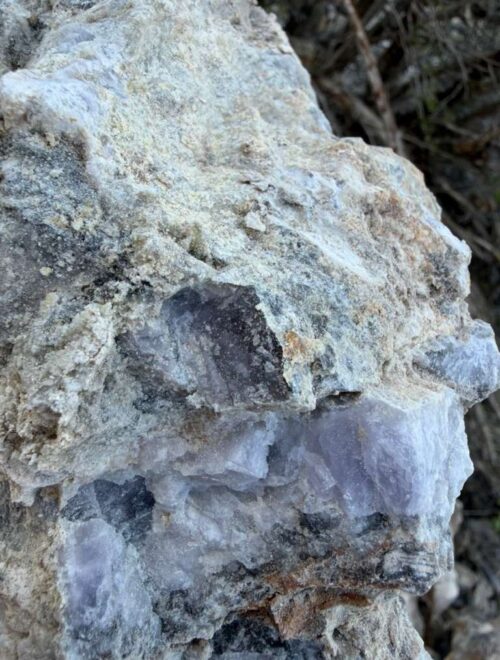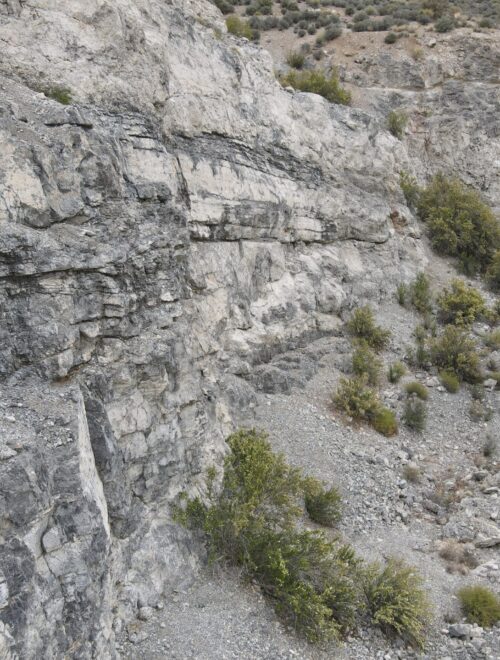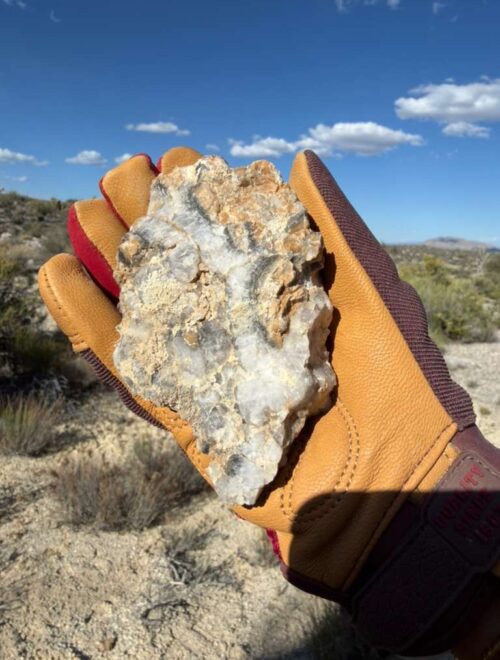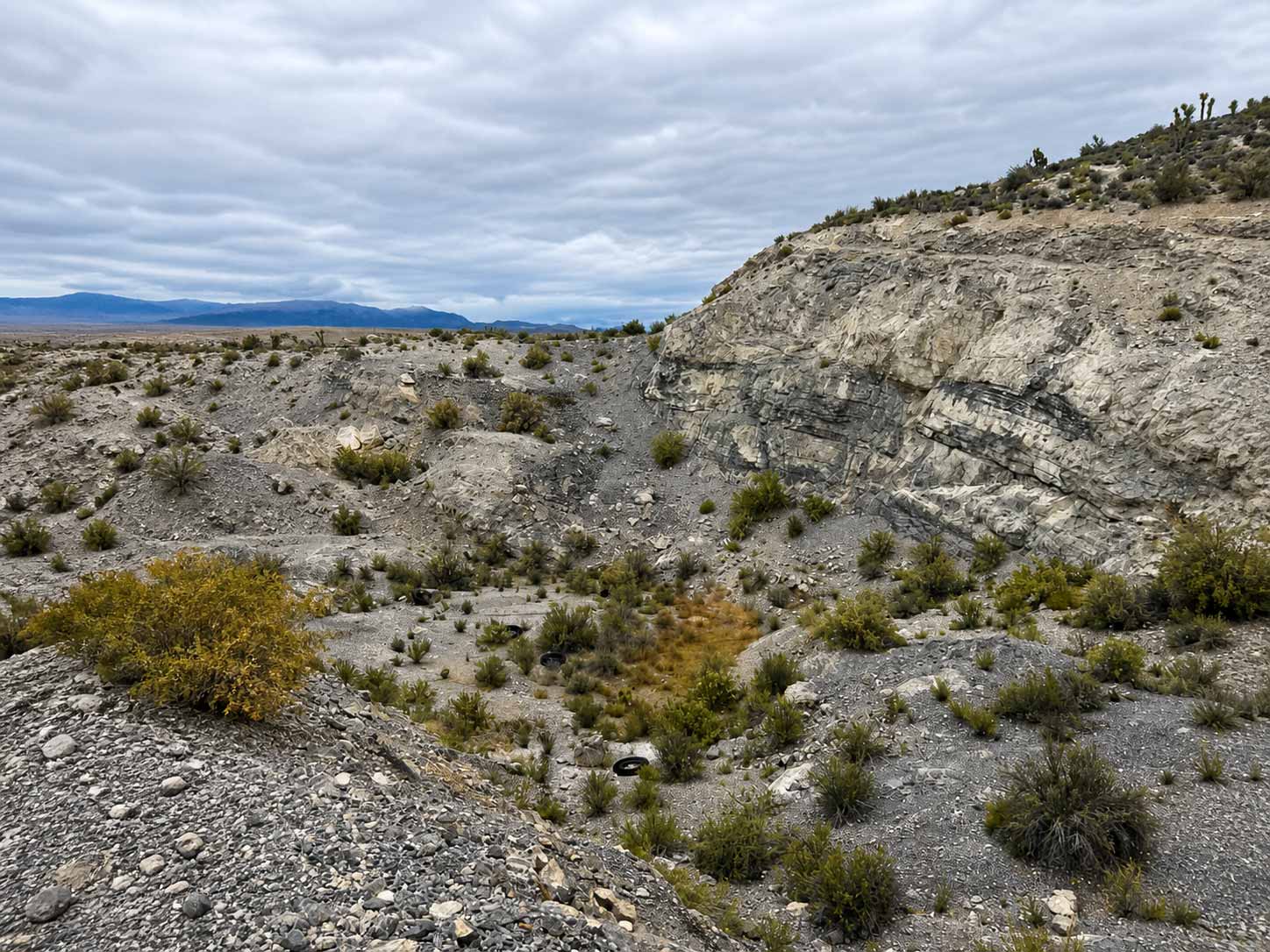
The Carp Fluorspar Project is a high-grade asset located in Lincoln County, Nevada, marking the Company's expansion into fluorspar - a strategically aligned critical mineral with direct exposure to U.S. domestic supply at a time of increasing federal policy support.

Positioned within a Tier-1 mining jurisdiction, the project provides leverage to the growing demand for secure, domestically sourced industrial minerals essential to defence, energy, and advanced manufacturing supply chains.

High-Grade Fluorspar Confirmed
  • Independent verification of 2024 surface sampling confirms multiple high-grade fluorspar occurrences across historically producing zones at CARP.
  • 14 of 25 samples returned high-grade assays ranging 49.83% – 88.15% CaF₂.
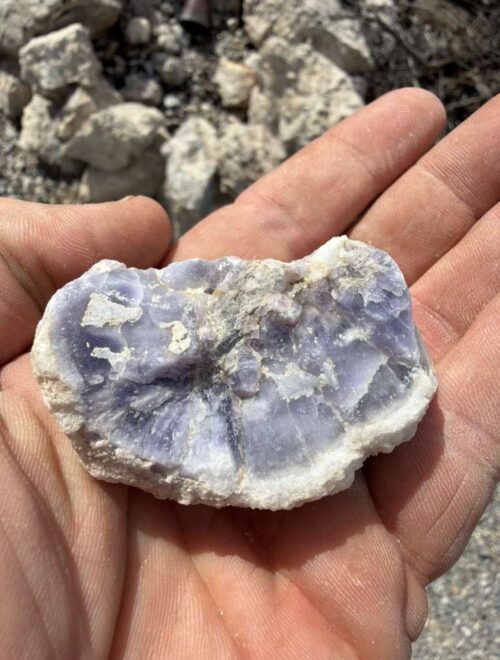
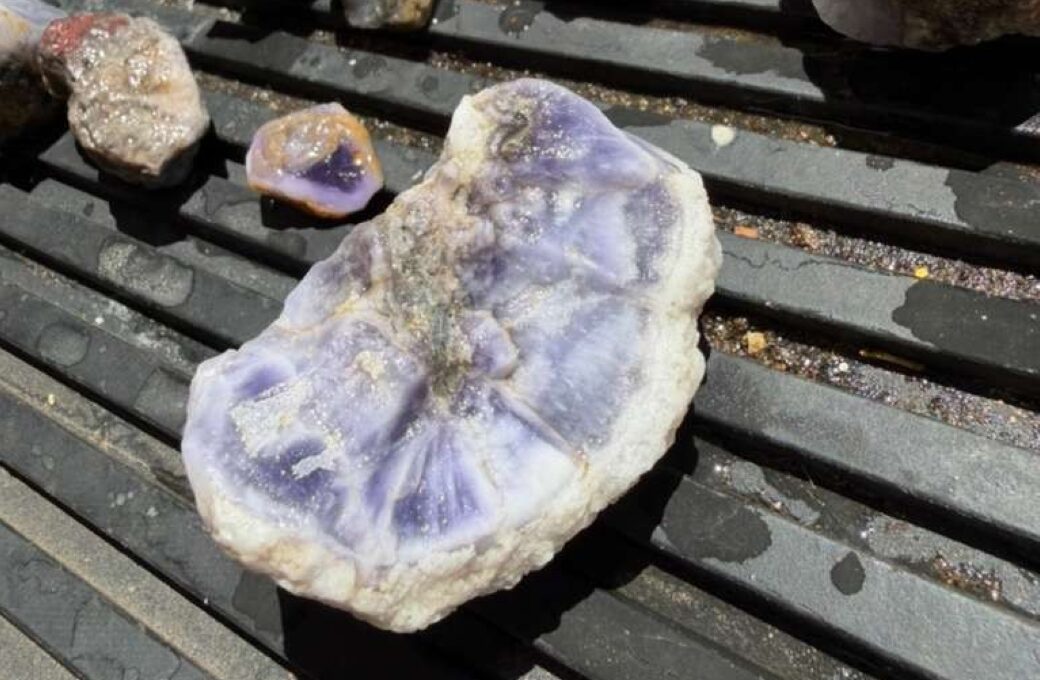
  • Peak assay of 88.15% CaF₂ from a manto-style sample at the West Pit demonstrates raw rock grades well above the approximate 60%CaF₂ metallurgical-grade threshold and approaching acidspar feedstock quality.

Strategic Relevance

Fluorspar (calcium fluoride, CaF2) is designated as a critical mineral by the United States, the European Union, and other major Western economies. It is the sole commercial source of fluorine - an element essential to aluminium smelting, steel production, semiconductor manufacturing, nuclear fuel processing, and lithium-ion battery electrolyte production.

The strategic case for a domestic fluorspar supply has strengthened considerably over the past two years. China, which produces around 60% of global supply, has continued tightening export controls on critical minerals - including the May 2026 suspension of sulfuric acid exports - intensifying downstream chemical supply disruptions worldwide.

The United States remains highly import‑dependent, with no significant domestic fluorspar production. Federal policy is now moving to address this vulnerability. The U.S. critical minerals framework includes multiple funding and incentive mechanisms, such as the EXIM Bank Supply Chain Resilience Initiative, the DFC, the FORGE program, and Section 232 tariff provisions, all designed to accelerate domestic mineral development and strengthen long‑term supply chain security.

Project Overview

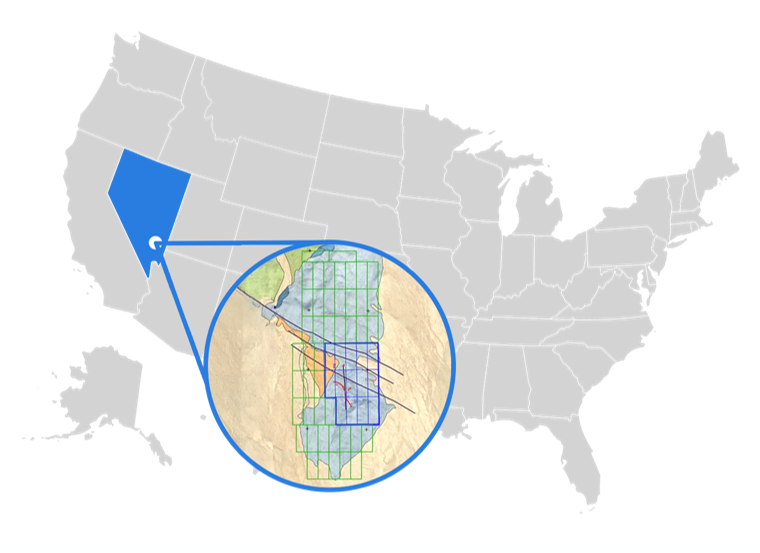
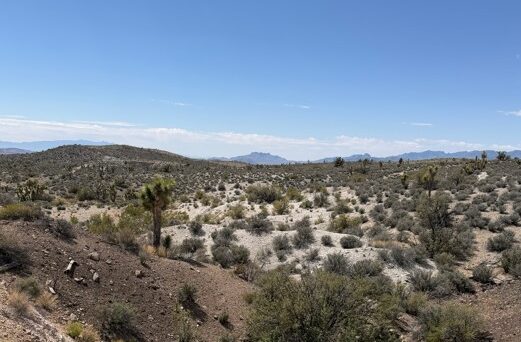
The Carp Fluorspar Project is located in Lincoln County, Nevada, approximately 140 km northeast of Las Vegas. The project comprises 59 unpatented lode claims covering a total of 493 hectares (1,218 acres) within the Viola Mining District of the Clover Mountains.

The project hosts confirmed high-grade fluorspar mineralisation with a demonstrated production history, supported by road access, existing infrastructure corridors, and its location within a well-established mining jurisdiction with a clear and efficient permitting framework.
Confirmed Sampling Results

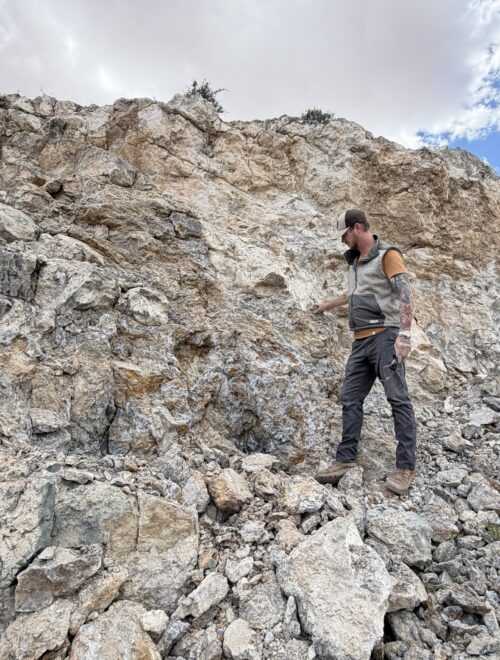
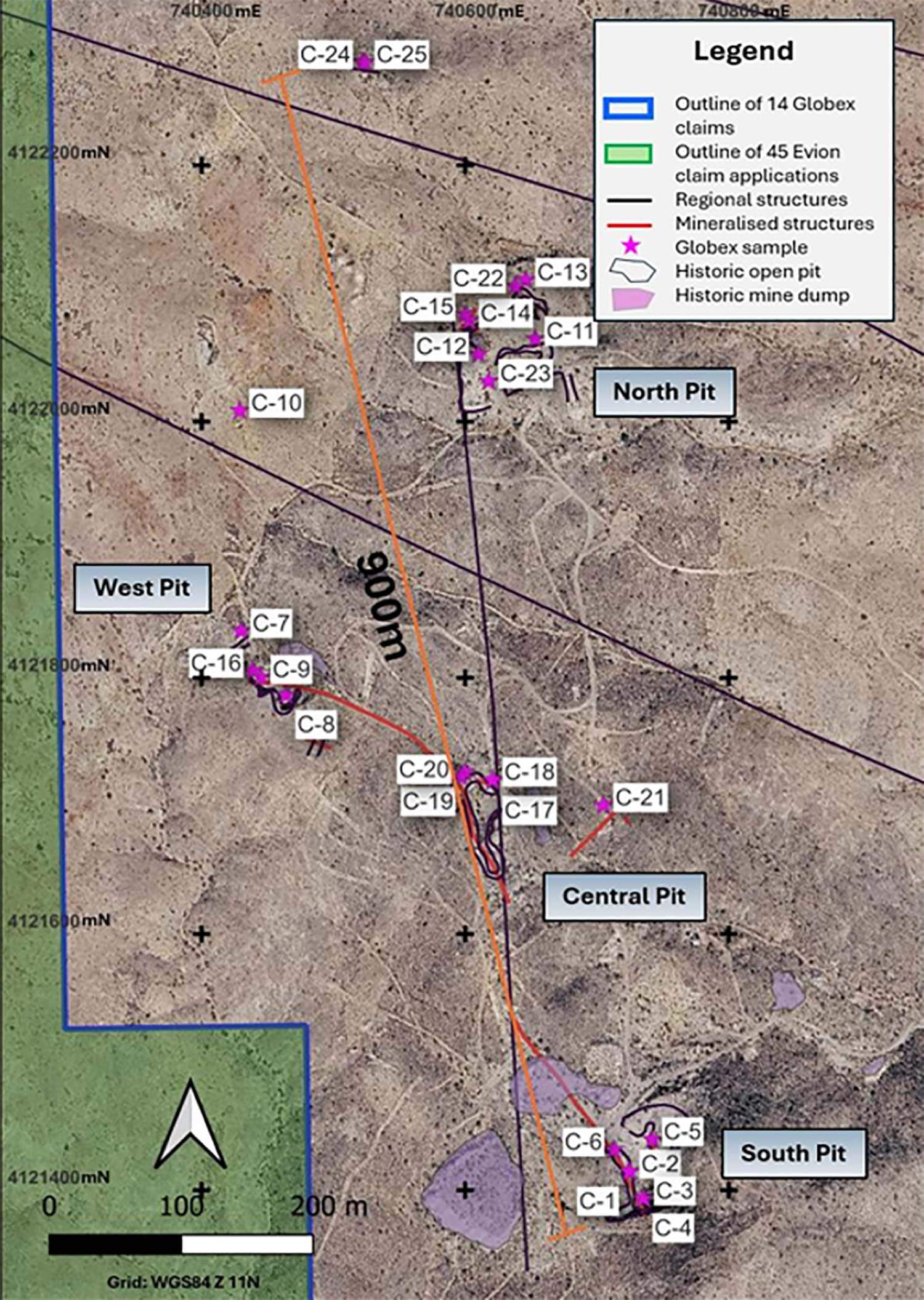
High-grade fluorspar mineralisation, ranging from 49.83% to 88.15% CaF₂, has been confirmed across the South, West, North and Central Pits. Additional mineralisation identified in bulldozer cuts between these pit areas suggests the system may be more continuous than previously recognised. Together, these results support the interpretation of a potentially connected mineralised system and highlight significant exploration upside across the project area.

Sampling Program Overview:

  • 25 surface rock-chip samples collected
  • Previously assayed by American Assay Laboratories
  • Sampling procedures independently verified
  • JORC-reportable results confirmed

Mineralisation Styles Identified:

  • Manto-style replacement bodies
  • Steeply dipping veins
  • Fault-hosted zones
  • Limestone (“LS”) and dolomite replacement bodies
Refer to ASX announcement from 25 May 2026 for the confirmed 2024 surface rock chip sampling results. The Company confirms that it is not aware of any new information or data that materially affects the information included in this announcement.
Competent Person Statement:
The information above relates to the review and confirmation of the 2024 surface
sampling results at the Carp Fluorspar Project is based on information reviewed by Mr Mark Fletcher, a
Competent Person who is a Member of the Australian Institute of Geoscientists.
Mr Fletcher is an employee of Arrowman Pty Ltd and acts as a geological advisor to Evion Group NL. Mr
Fletcher has sufficient experience that is relevant to the style of mineralisation and type of deposit under
consideration and to the activity being undertaken to qualify as a Competent Person as defined in the 2012
Edition of the Australasian Code for Reporting of Exploration Results, Mineral Resources and Ore Reserves
(the JORC Code). Mr Fletcher consents to the inclusion in this announcement of the matters based on their
information in the form and context in which it appears.
The original 2024 sampling was conducted by Globex Mining Enterprises Inc. and reported in their press release
dated 15 May 2025. Evion's Competent Person has reviewed the original sampling methodology, chain of custody, laboratory procedures and quality assurance/quality control protocols and is satisfied that the results
are reliable and suitable for reporting under the JORC Code (2012).

Historic Mining & Exploration

Wells Fargo Mine - CARP Fluorspar Project

Production at the Wells Fargo Mine ran from 1958 to 1971 across multiple shallow open pits. Material was selectively mined and sold directly as metallurgical-grade fluorspar without beneficiation.

PRODUCTION HISTORY

  • ~44,900 tonnes fluorspar produced at ~69% CaF2
  • Sold as metallurgical-grade fluorspar (metspar)
  • Derived from multiple shallow open pits
  • Main production periods: 1958–59 and 1968–71, Exploration History

EXPLORATION HISTORY

  • Multiple operators, including Allied Chemical Co. (early 1970s)
  • Programs included mapping, gravity/magnetic surveys, road construction and drilling

KEY DATA

  • Fluorspar
    Produced

44,900 t

  • Avg Grade (CaF2)

69% CaF2

Industrial Importance

There is no commercially scalable lithium-ion chemistry without fluorine - and no fluorine without fluorspar.

Fluorspar is the sole commercial source of fluorine, an element that underpins critical industrial processes across the global economy. Rather than listing every application, the investment case rests on three end markets where demand growth is structural and supply security is becoming a national priority:

Batteries and Electric Vehicles

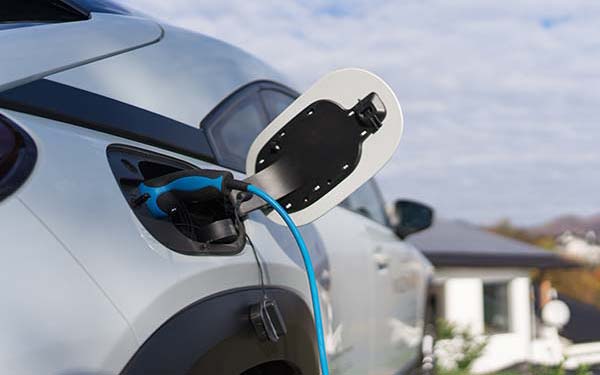
Fluorine is an essential input in the production of lithium hexafluorophosphate (LiPF6), the dominant electrolyte salt in lithium-ion batteries. Every electric vehicle, grid storage system, and consumer electronics battery on the market today depends on a fluorine-derived electrolyte. As battery manufacturing capacity scales globally, fluorine demand is growing in lockstep – and the supply chain traces directly back to fluorspar.

Semiconductors and Advanced Electronics

Hydrofluoric acid (HF), derived from acid-grade fluorspar, is used in semiconductor fabrication for wafer etching and cleaning. With global semiconductor investment accelerating under the U.S. CHIPS Act, European Chips Act, and equivalent programs across Asia, demand for high-purity HF – and by extension, fluorspar – is set to increase materially over the coming decade.

Defence and Nuclear

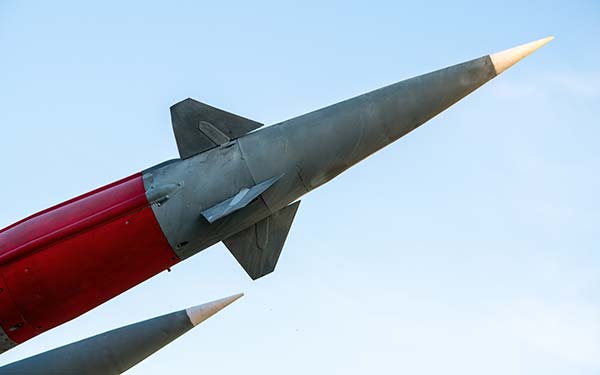
Fluorine compounds are used in uranium enrichment (UF6), missile propellants, and specialised coatings for defence applications. These are not discretionary end markets – they are sovereign capability requirements that further underpin the policy case for domestic supply.

Development Potential

Federal Funding Alignment

The project's profile - a designated critical mineral, domestic U.S. location, historic production validation, and alignment with supply chain security objectives - positions it favourably for engagement with federal funding mechanisms including the EXIM SCRI program, the DFC, and the FORGE initiative. These programs are specifically designed to support the development of domestic critical mineral supply and represent a potential source of non-dilutive capital as the project advances.

Permitting and Access

Nevada's permitting framework supports rapid project advancement. A Notice of Intent (NOI) drilling permit can be obtained within weeks, enabling initial confirmation drilling on the existing claims. A full Plan of Operations, if required for expanded programs, typically takes 12 to 16 weeks. This timeline compares favourably to most U.S. and international jurisdictions and allows the Company to move quickly from acquisition to on-ground activity.